 How-to
How Do You Protect Your Privacy When Selling Your Home?
Last Updated: November 3, 2026
Quick Summary
Protecting privacy when selling a home means controlling what buyers see, what visitors touch, and what stays online after the listing goes live. Remove mail, financial documents, family photos, medications, and Wi-Fi information before photos are taken, and lock up jewelry, cash, and sensitive documents before showings. Use an electronic lockbox that tracks access instead of a hidden key.
- One wide listing photo can reveal bank statements, prescriptions, or a child's school calendar.
- Disconnect smart cameras and change account passwords before showings begin.
- Lock jewelry and cash in a safe or bank box before open houses.
- An electronic lockbox records each opening and lets your agent revoke codes.
- A key under a mat or in a planter defeats the entire security system.
Table of Contents
- Why Protecting Privacy Matters When Your Home Is on the Market
- How to Protect Personal Information in Real Estate Listing Photos
- How to Secure Valuables During Home Showings: A Home Showing Security Checklist
- Frequently Asked Questions
Why Protecting Privacy Matters When Your Home Is on the Market
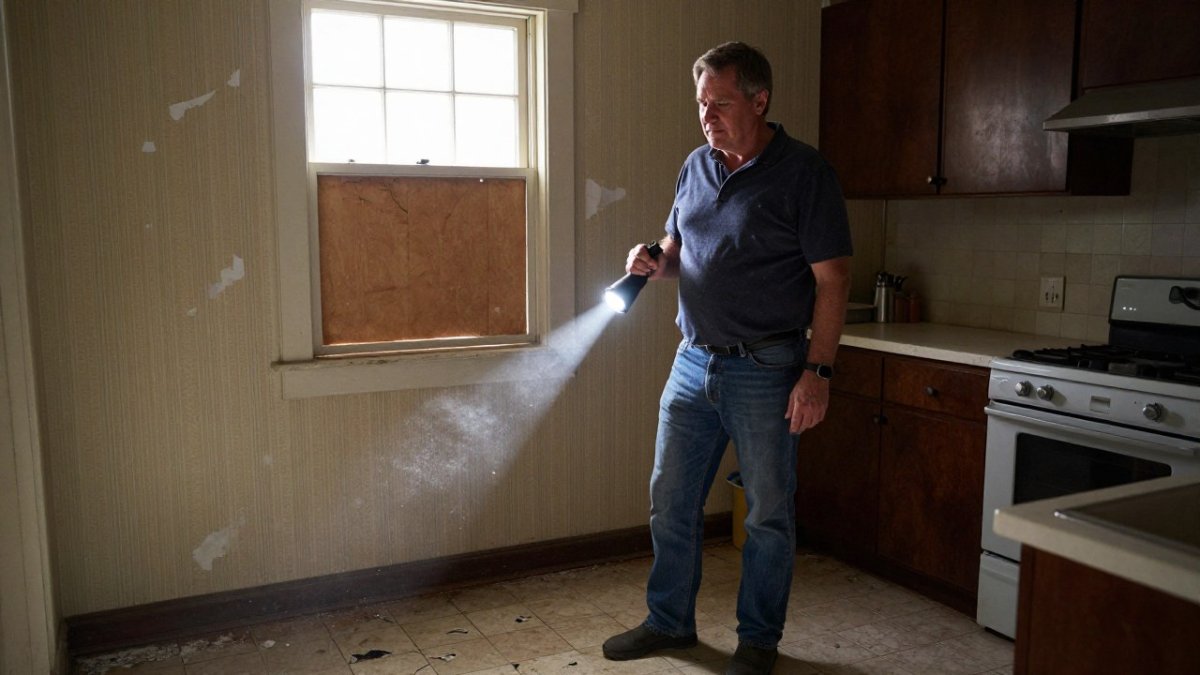
Selling a home puts your daily life on display: strangers walk through rooms, open closets, and study family photos. Protecting privacy when selling a home means controlling what buyers see, what visitors touch, and what stays online after the listing goes live. Small leaks like mail on the counter or a visible keypad code lead to identity theft, burglary, and unwanted contact. If your situation is sensitive, such as a divorce, job loss, or estate sale, contact us directly before you list.
How to Protect Personal Information in Real Estate Listing Photos
Listing photos are the biggest privacy leak most sellers never think about: one wide shot can reveal a bank statement, a prescription bottle, or a child's school calendar. Remove mail, financial documents, family photographs, calendars, medications, computer screens, and Wi-Fi information before the photographer arrives. Listing sites publish your address and floor plan; check each site's removal policy before you list. Disconnect smart cameras and change account passwords before showings begin.
How to Secure Valuables During Home Showings: A Home Showing Security Checklist
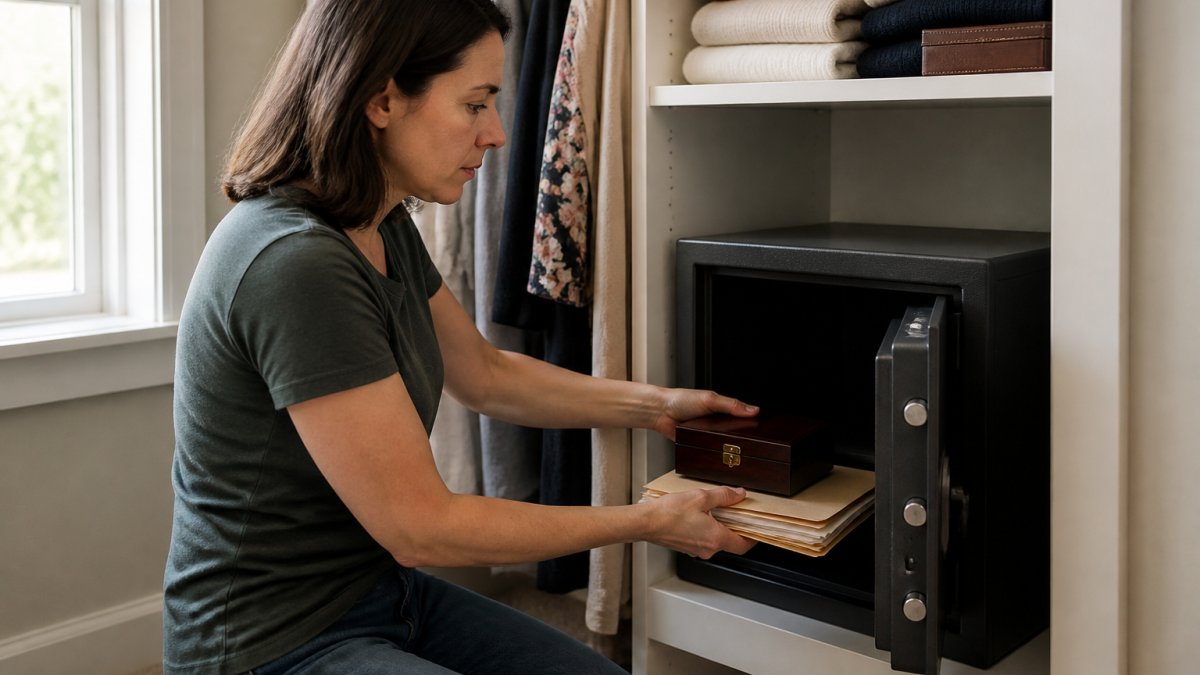
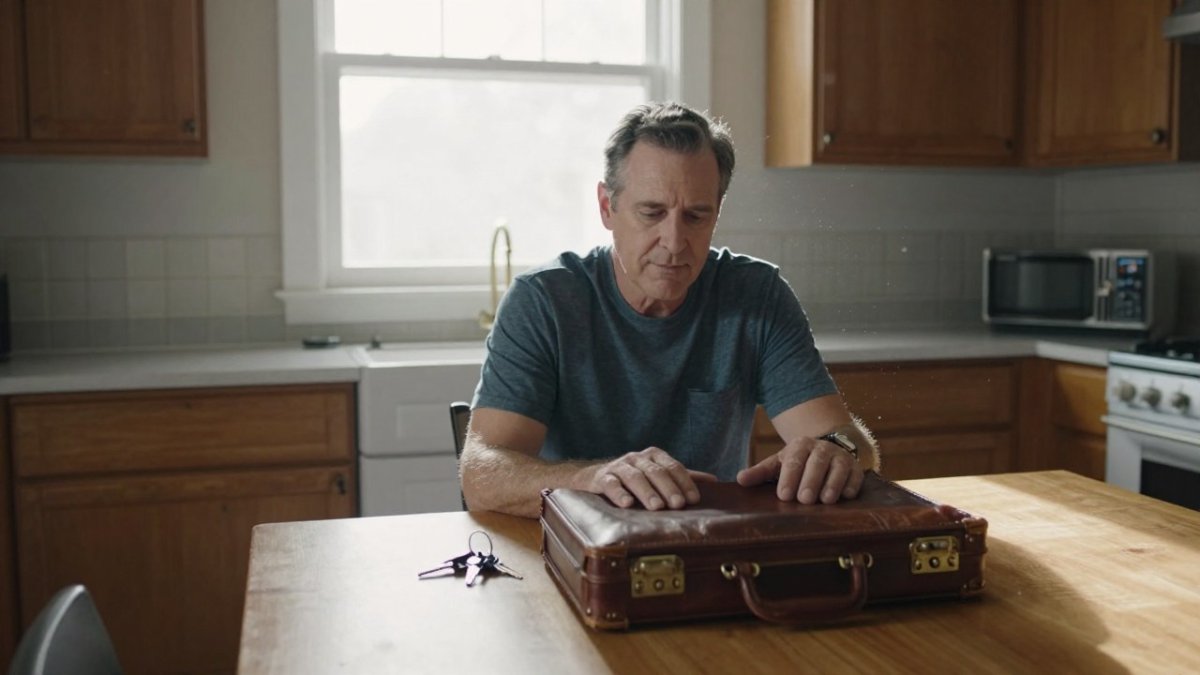
Valuables need a plan before the first buyer walks in. See the services available to help manage and secure the showing process. Lock up jewelry and cash, secure medications, store sensitive documents in a locked cabinet, use an electronic lockbox that tracks access, log every visit, and walk the house before you leave. A key under a mat or in a planter defeats the entire system.
| Risk | Fix | Why It Matters |
|---|---|---|
| Jewelry and cash left out | Lock in a safe or bank box | Easy target during open houses |
| Mail and bills on display | Clear counters daily | Reveals names and account details |
| Unlocked keys hidden outside | Use an electronic lockbox | Tracks access and blocks copies |
Frequently Asked Questions
What personal items should I remove before a home showing?
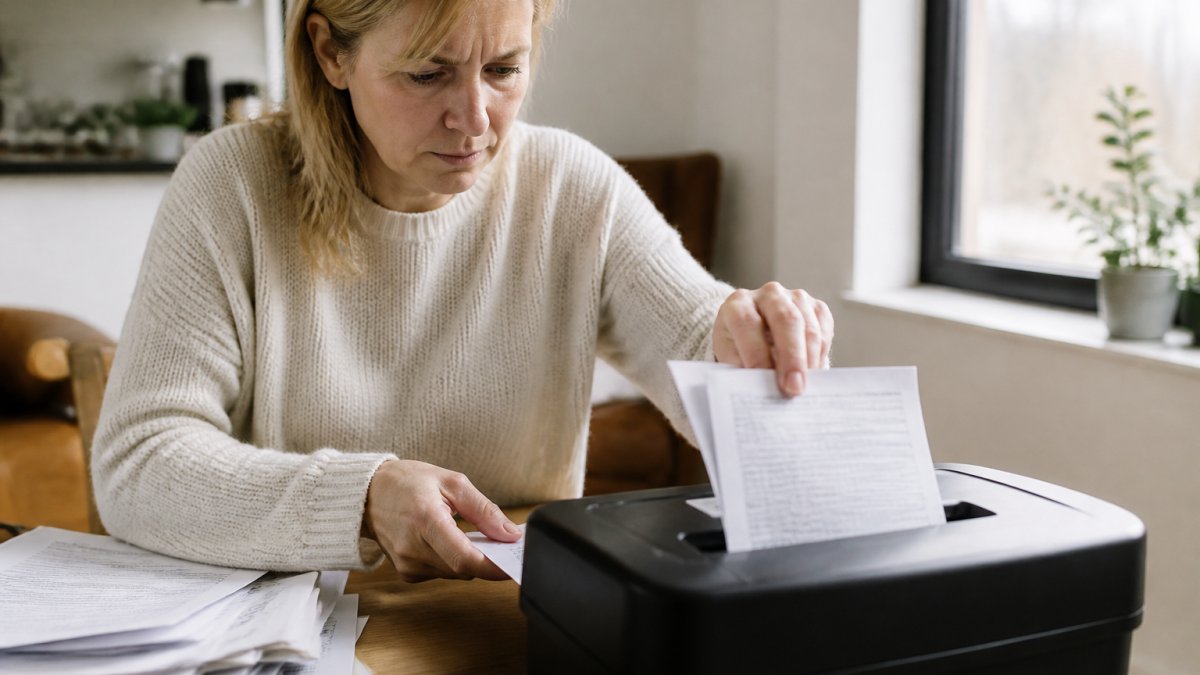
Remove items that reveal identity or finances: mail, bills, financial documents, credit card statements, prescription bottles, and family photographs. Stow jewelry, cash, and medications in a locked safe or off-site. Clear calendars and sticky notes from the refrigerator. Also sign out of computers and lock down smart-home apps so visitors cannot access Wi-Fi or device controls.
How can I protect personal information in real estate listing photos?
Before photos are taken, put away documents with names, account numbers, or addresses. Turn computer screens away from camera angles and close home office doors. Remove visible calendars and mail. Check that wall art or diplomas do not show sensitive details.
How do I keep valuables safe during an open house?
Lock jewelry, cash, and medications in a safe or take them with you. Store small electronics and financial files out of sight. Use an electronic lockbox with access codes you can change. After the event, verify that nothing is missing and change any shared codes.
Privacy during a sale is not about hiding your home. It is about controlling what the public sees and who gets inside. Richard Curtis brings more than 20 years of experience and Certified Distressed Property Expert training to sellers facing divorce, job loss, illness, or foreclosure. You get confidential guidance, a personalized strategy built around your timeline, and expert negotiation that protects your price. Get started with Richard Curtis and sell with confidence and discretion.