 How-to
Selling a House As-Is in Pleasant View, Utah: What to Know
Last Updated: October 28, 2026
Quick Summary
To sell house as-is in Pleasant View, you sell the property in its current condition without agreeing to repairs before closing, and the price usually reflects the condition. An as-is sale does not remove your duty to disclose known defects or the buyer's right to inspect.
- You do not have to fix the roof, plumbing, or cracked foundation before closing.
- Buyers may still order an inspection and can walk away if results are bad.
- Utah requires a property disclosure form describing defects you know about.
- Compare net proceeds for an as-is listing versus a cash offer, not just the headline price.
- Verify a cash buyer's proof of funds and read the contract before accepting any offer.
Table of Contents
- What Selling a House As-Is Really Means
- Do You Still Have to Disclose Problems When You Sell As-Is?
- Should You Sell a House That Needs Repairs, or Fix It First?
- How to Price a House That Needs Repairs
- Vetting Cash Home Buyers Before You Accept an Offer
- Scheduling Your As-Is Sale in Pleasant View
- Frequently Asked Questions
Choosing to sell house as-is in Pleasant View, Utah can be a fast, practical way to move a property that needs work. Richard Curtis has spent more than 20 years helping homeowners handle difficult sales, including divorce, job loss, and health issues.
What Selling a House As-Is Really Means
Selling a house as-is means you sell the property in its current condition, without agreeing to repairs before closing.
An as-is sale does not let you hide problems, and it does not strip the buyer's right to inspect.
- You do not have to fix the roof, plumbing, or cracked foundation.
- The buyer may still ask for an inspection before closing.
- You still need to answer seller disclosure questions honestly.
Many sellers choose this route when repair costs feel too high or time is short. A house that you sell as-is often moves faster than one waiting on a long repair list.
Do You Still Have to Disclose Problems When You Sell As-Is?
Yes. An as-is sale does not remove your duty to disclose known defects.
Answer each question based on what you actually know. If you are unsure whether something counts as a defect, ask a real estate attorney before you sign.
Watch out: Saying "sold as-is" in the listing does not protect you from claims about defects you knew about and did not disclose.
Should You Sell a House That Needs Repairs, or Fix It First?
Selling as-is is not always the best choice. Some repairs add more to the sale price than they cost; others cost more than they return, making as-is the better option.

Use this quick check to compare your options:
- Sell as-is if repairs are expensive, you need to move fast, or the home has major issues.
- Make small repairs if the fix is cheap, like paint, minor drywall, or a broken fixture.
- Get quotes first before you assume a repair will cost too much.
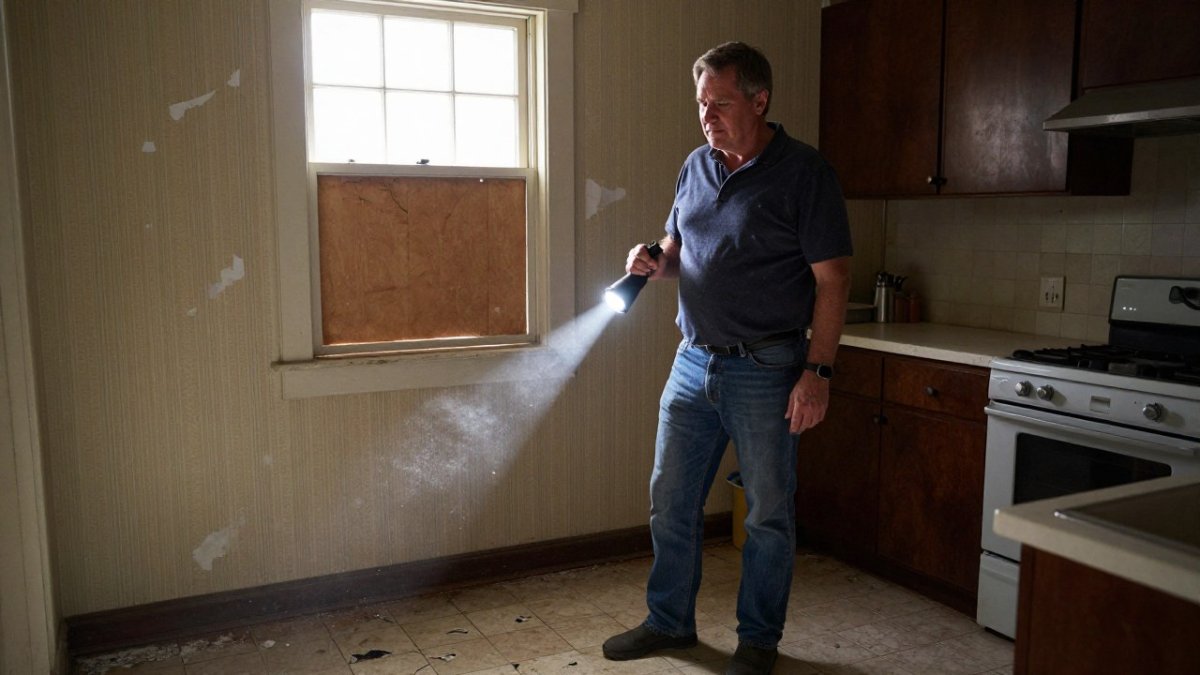
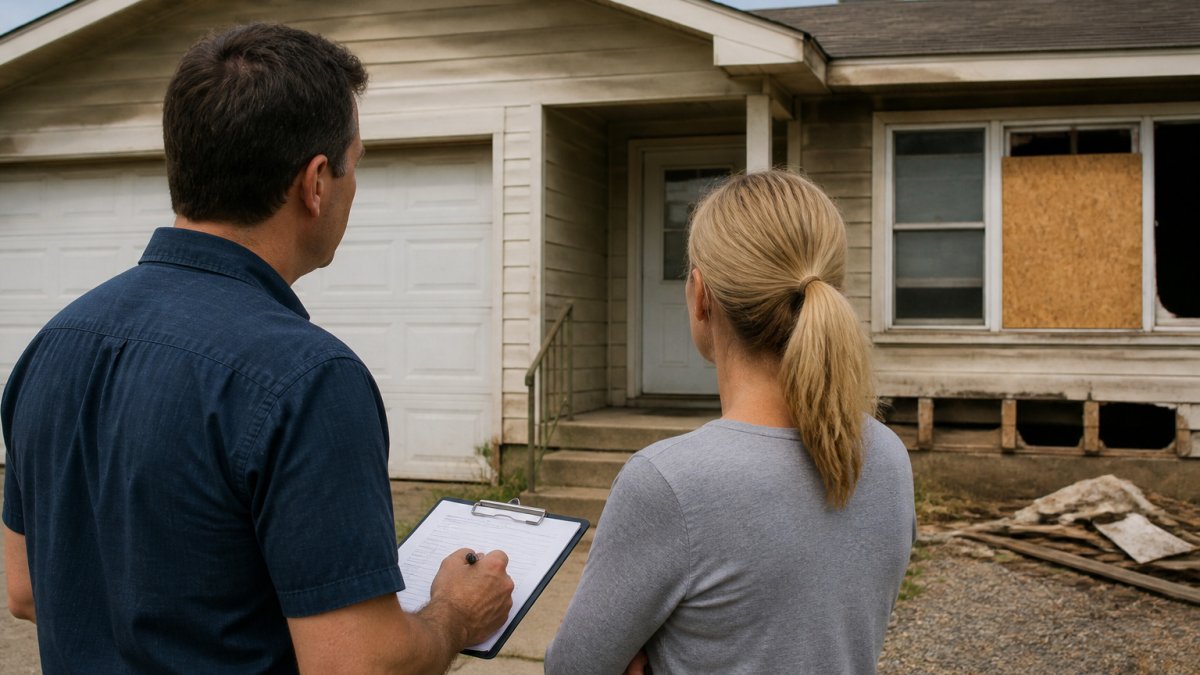
Walking the home with a real estate professional helps you list the problems and estimate their cost.
If you want help weighing these choices for your property, explore the services offered by Richard Curtis.
How to Price a House That Needs Repairs
Pricing an as-is home differs from pricing a move-in-ready listing. Rather than stopping at "market value minus repairs," compare your net proceeds under each selling method.
Start with a condition-adjusted value
Begin with a comparable market analysis of recent sales of similar homes. Then adjust for condition:
- Compare your home only with sales of homes in similar condition, not with renovated listings down the street.
- Get written repair estimates from licensed contractors for the big-ticket items: roof, HVAC, foundation, electrical panel, plumbing, windows, and siding.
- Separate "must-fix to be financeable" items (a buyer using a mortgage often cannot close on a home with a failed roof or active leaks) from cosmetic items.
Offers on as-is homes often land below the repair estimate alone, because buyers also price time, risk, and resale margin.
Model net proceeds by selling method
The headline price is not the number that matters. Build a side-by-side for your property using your own repair quotes and your closing agent's fee estimate:
| Line item | List as-is with an agent | Sell to a cash buyer |
|---|---|---|
| Contract price | Condition-adjusted list price | Cash offer (typically discounted) |
| Repairs you pay for | $0 if truly as-is | $0 |
| Agent commission | Negotiable, commonly a percentage of price | Usually $0 |
| Seller closing costs | Title, escrow, recording, prorations | Often paid or split by buyer |
| Concessions / buyer credits | Possible after inspection | Usually none |
| Holding costs during listing | Mortgage, taxes, insurance, utilities | Shorter or none |
| Estimated net proceeds | Price minus costs and holding | Offer minus costs |
Fill in real numbers from your quotes and your closing agent's written estimate. The highest contract price is not always the highest net, especially if the home sits for months accruing taxes, insurance, and utilities.
Price for the buyer you are targeting
- Listing as-is to retail buyers: price close to condition-adjusted value. Overpricing keeps serious buyers away and stretches your timeline, which erodes your net through holding costs.
- Selling to an investor or cash buyer: expect a discount from retail value. The discount is the price of speed and certainty, so compare it against the holding costs and commissions you avoid.
- Selling to a buyer using financing: expect repair negotiations or credits, because the lender's appraisal and condition requirements may force fixes you hoped to skip.
Watch for pricing traps
- Do not price off renovated comps and then subtract repairs twice.
- Do not assume a repair quote is your only cost; add the time value of a longer listing.
- Do not accept a cash offer without comparing it to a net sheet for a traditional sale.
If you want help with your property, explore the services offered by Richard Curtis.
Vetting Cash Home Buyers Before You Accept an Offer
Cash buyers are common in as-is sales because they close quickly and skip the bank's appraisal.
Before accepting any offer, check the buyer's background, ask for proof of funds, and read the purchase agreement closely.
- Ask for proof of funds before you sign anything.
- Confirm the company's name, address, and licensing.
- Compare the offer with a traditional listing or another cash offer.
A good offer should be clear and fair. If the buyer pushes you to sign without time to review, treat that as a warning sign.
Scheduling Your As-Is Sale in Pleasant View
Once you decide to sell as-is, your schedule determines how smooth closing is. What matters is sequencing disclosure, title work, and buyer verification so nothing stalls at the end, and knowing how the timeline changes for inherited, tenant-occupied, or distressed properties.
A realistic as-is timeline
Timelines vary by buyer type and title condition, but a common pattern is:
- Days 1-3: Documents and disclosure. Complete the seller's property disclosure form, gather tax records, mortgage payoff information, and any repair quotes or inspection reports you already have.
- Days 3-7: Title and pricing. Order a title commitment through a title company so you know about liens, judgments, or ownership issues before a buyer finds them. Set your price using the net-proceeds comparison above.
- Days 7-14: Marketing or offer review. If listing, get the home photographed and listed. If selling to a cash buyer, collect offers and proof of funds.
- Days 14-21: Contract and inspection. Sign the purchase agreement, confirm earnest money is deposited with the title or escrow company, and schedule any buyer inspection. As-is does not always mean no inspection.
- Days 21-45: Closing. Title clears, the payoff is ordered, the closing disclosure is issued, and you sign. Cash sales can close faster; financed sales depend on the appraisal and lender timelines.
Situations that change the schedule
- Inherited property: Expect extra time for probate or for all heirs to sign. Confirm with the title company who has authority to sell before you market the home.
- Tenant-occupied property: Review the lease and state law on notice before showing or closing. A buyer who plans to occupy may need the tenant out, which affects timing.
- Distressed or pre-foreclosure: Contact the lender early for a payoff statement and any reinstatement deadline. A short sale or payoff negotiation can add weeks.
Closing mechanics and costs
Plan for closing costs: title insurance, escrow and recording fees, prorations for taxes and utilities, and any remaining mortgage payoff. Ask your closing agent for a written estimate so you know your net proceeds before signing. Buyers often pay some or all closing costs in as-is deals, but that is negotiated, not a rule.
Keep the sale on track
- Confirm the buyer's earnest money is actually deposited, not just promised.
- Verify proof of funds or a lender pre-approval before you remove your home from the market.
- Read assignment clauses. Some cash buyers contract to assign the deal to another buyer, which can change your timeline and your certainty.
- Keep communication in writing so dates and obligations are clear.
Many sellers want a discreet, organized process. If you worry the buyer might back out after accepting an offer, read practical steps to keep the sale on track. Clear communication and early inspection planning go a long way.
Frequently Asked Questions
What does it mean to sell a house as-is?
Selling a house as-is means the seller offers the property in its current condition. The terms of the sale depend on the purchase contract. As-is does not mean the seller can hide problems.
Can you sell a house as-is without making repairs?
Yes. A seller can offer a home without making repairs first. Before listing, consider getting a home inspection or contractor estimates to understand the property's condition and inform your pricing.
Do you still have to disclose problems when selling a house as-is?
Yes. Selling as-is does not necessarily remove disclosure obligations. For current requirements, consult an appropriate Utah official source or a real estate attorney. Disclosing known issues can help a buyer assess the property.
What should you ask a cash home buyer before accepting an offer?
Ask who the buyer is, whether they are purchasing with their own funds or a lender, and whether they have closed in Utah before. Request proof of funds, ask for references, and confirm whether the offer includes contingencies such as inspection or title review. Check whether the offer is written as a firm price or a range that drops after inspection. Ask who pays closing costs and title fees. A reputable buyer will answer these questions directly and put the terms in writing before you commit.